The 2026 Guide to Pressure Cleaning for Shire Homeowners
Pressure cleaning can lift grime from driveways, improve the appearance of outdoor areas and remove slippery surface growth. However, getting a good result involves more than turning up the pressure. For homeowners across Sydney’s Sutherland Shire, the right approach depends on the surface, its condition and where the dirty water will go.
This 2026 guide explains how to plan pressure cleaning in the Sutherland Shire, protect your property and choose a suitable local contractor.
Why Shire Properties Need Different Cleaning Approaches
Coastal homes around Cronulla and surrounding suburbs can experience salt exposure, while shaded courtyards and garden paths throughout the Shire may stay damp and develop algae. Trees also contribute leaf litter, tannin staining and organic debris.
These problems require different treatments. Loose dirt may rinse away readily, but oil, rust and established biological growth often need targeted products. Simply increasing water pressure can damage the surface without removing the underlying stain.
Pressure Cleaning or Soft Washing?
Pressure cleaning for suitable hard surfaces
Sound concrete driveways and some paving can tolerate pressure cleaning when the equipment and technique suit the material. A surface-cleaning attachment can help produce a more even finish across large, flat areas.
There is no universal safe pressure setting. Surface age, existing cracks, coatings, nozzle choice and working distance all affect the risk of damage. Always begin with a small, inconspicuous test area.
Lower-pressure methods for delicate materials
Painted surfaces, timber, render and some natural stone generally need a gentler approach. Soft washing uses lower-pressure application and suitable cleaning products rather than relying primarily on force. Products still require careful handling: follow label instructions, protect nearby plants and check compatibility with the surface.
Do not pressure clean suspected asbestos-containing materials. Older fibro cladding, eaves and roofing should be assessed before cleaning. Roof work also introduces fall hazards and is best left to appropriately equipped professionals.
Protect Stormwater Drains and Use Water Responsibly
Wash water can contain sediment, oil, detergent and other pollutants. It must not be allowed to pollute stormwater drains or local waterways. This matters particularly in a district connected to sensitive environments such as Port Hacking and the Georges River.
Before work starts, identify nearby drains and agree on a runoff-management method. Depending on the site, this may involve drain protection, containment and recovery using a wet vacuum. A biodegradable cleaning product does not make contaminated runoff safe for stormwater. Check disposal requirements rather than assuming wash water can enter a sewer or garden.
For cleaning in 2026, check Sydney Water’s current water-use rules and any restrictions applying on the day. Requirements can change, so confirm permitted equipment and practices before starting. Sutherland Shire Council and the NSW Environment Protection Authority provide guidance on pollution prevention.

A Practical Preparation Checklist
- Move vehicles, furniture, pot plants and loose items out of the cleaning area.
- Sweep up leaves and grit first to reduce sediment in the wash water.
- Check for cracked concrete, loose pavers, deteriorating grout and flaking coatings.
- Close windows and doors, and identify electrical fittings or openings that need protection.
- Keep children and pets away until the area is safe and any product-related re-entry requirements are met.
- Tell the cleaner about previous sealers, drainage problems and delicate nearby plants.
DIY Cleaning Versus Hiring a Professional
A small area of sound concrete may be manageable with suitable equipment and careful technique. Wear eye protection and enclosed, slip-resistant footwear, and never direct the jet at people, animals or electrical equipment. Pressure-washer injection injuries can look minor but require urgent medical attention.
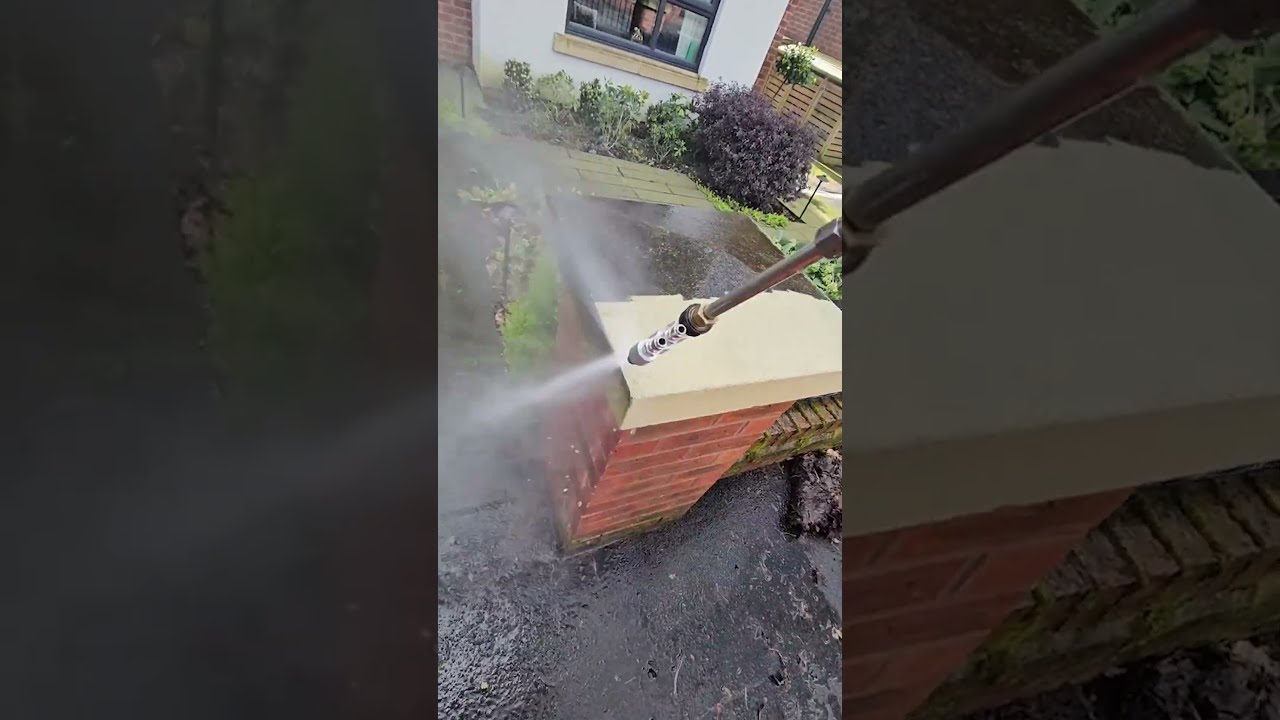

Professional help is worth considering for extensive staining, fragile surfaces, steep https://chanceyrqq272.brightpathdigest.com/posts/eco-friendly-exterior-cleaning-solutions-for-shire-homes access or sites where runoff is difficult to contain. Ask how the contractor will assess the material, protect surrounding areas and manage wastewater. Check public liability insurance and request a written scope rather than comparing prices alone.
What Affects the Cost?
The price of pressure cleaning depends on more than square metres. Access, surface condition, stain treatment, water availability and wastewater recovery can all affect the quote. Paver re-sanding and surface sealing are separate tasks that should be clearly identified if included.
Ask whether the quote covers preparation, cleaning products, stain treatment and final cleanup. Some stains are permanent, so a reliable contractor should explain likely results without promising a completely new-looking surface.
How Often Should You Clean?
Inspect outdoor surfaces every few months rather than following a rigid cleaning schedule. Shaded paths may need attention sooner than sunny driveways. Remove leaf litter promptly, address drainage issues and treat slippery growth before it becomes a hazard.
For Shire homeowners, the best pressure-cleaning plan is surface-specific, drainage-aware and preventative. Choose the least aggressive effective method, manage runoff properly and maintain the area between cleans to keep it looking good without unnecessary wear.
Sutherland Shire Pressure Cleaning Pros
Unit 4/78 Bellingara Rd, Miranda NSW 2228
(02) 9541 8700